
Low slope roofing
Maximize your roof’s lifespan with low slope roofing solutions. From TPO and EPDM to PVC systems, we deliver efficient, long-lasting protection. Protect your commercial investment with long-lasting, energy-efficient roofing built to perform.
For commercial buildings, multifamily communities, industrial facilities, and other high-demand properties, the right low slope roofing system does more than cover a structure. It protects the roof deck, supports insulation performance, helps manage water pooling and standing water, and gives your property a dependable first line of defense against UV radiation, snow, rain, and heavy winds. Unlike steep slope roofs that shed water quickly by design, low slope roofing requires careful consideration of drainage, membrane systems, material selection, and long term performance.
At DCPS, we help property owners and managers evaluate low slope roofing options based on building use, budget, traffic, exposure, and life expectancy goals. Whether you need installation for a new roof, repair for an aging system, restoration with fluid applied membranes, or guidance comparing single ply membranes and modified bitumen roofing, our team delivers solutions built around your property’s real-world demands.
TPO
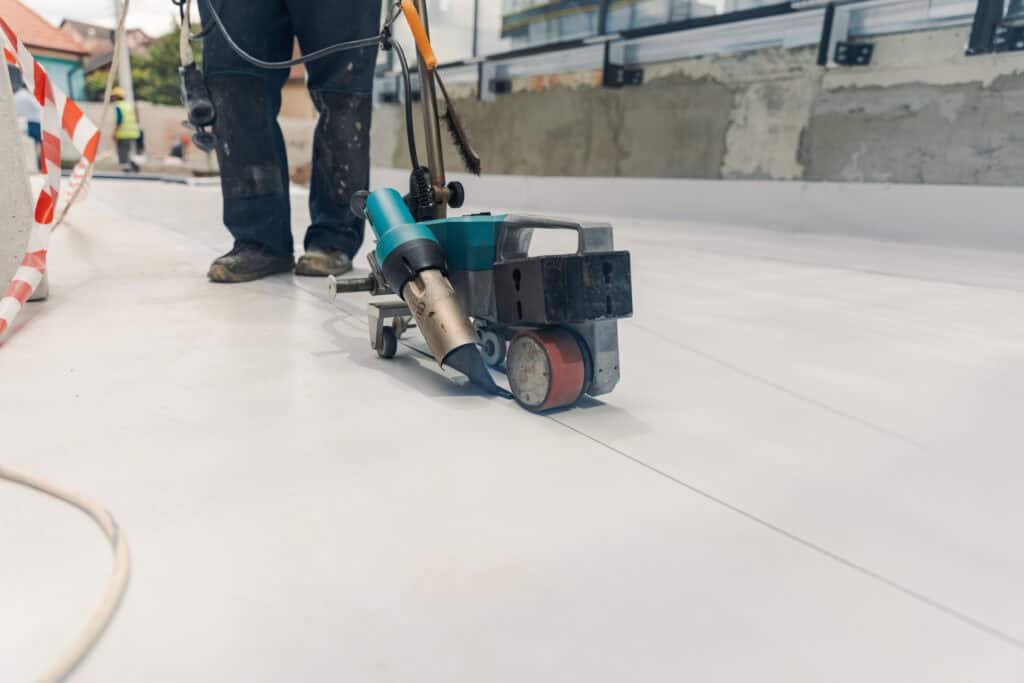
Low slope roofing systems offer cost-effective protection for your investment, and Thermoplastic Polyolefin (TPO) stands out as the industry's premier choice. With welded seams ensuring impeccable waterproofing , TPO also boasts reflectivity, reducing heat absorption and enhancing energy efficiency. Its elastic design provides superior resistance against impacts and wind, safeguarding your structure from the elements. From addressing water migration to enhancing insulation and fire ratings, our expert team evaluates each property, considering occupancy and specific needs, to craft a customized roofing system.
TPO performs especially well on properties where reflectivity matters. By reflecting sunlight and reducing roof surface temperatures, a properly installed tpo roof can help lower cooling costs during warmer months. It can also support broader energy efficiency goals for owners looking to improve building performance. For many low slope systems, that combination of heat welded seams, durable materials, and strong UV resistance makes TPO an ideal system for retail centers, office properties, multifamily communities, and warehouse environments.
EPDM
Discover unparalleled expertise in EPDM roofing installation with our seasoned team at DCPS. Specializing in the installation of ethylene propylene diene terpolymer (EPDM) roofing systems, we bring unmatched proficiency and precision to every project. EPDM roofs, renowned for their exceptional durability, flexibility, and resistance to environmental elements, demand the expertise of skilled professionals. Our certified roofing contractors are adept at implementing various installation methods, including fully adhered, mechanically fastened, or ballasted systems, ensuring a flawless finish tailored to your specific needs. Whether it's a commercial, multifamily, or industrial project, trust our dedicated team to deliver top-tier craftsmanship and reliability.
EPDM membranes remain a trusted choice in low slope roofing because of their flexibility and proven long-term value. Often associated with large flat roofs and expansive roof systems, EPDM is especially effective where temperature swings, movement, and exposure to the elements are constant concerns. Made from ethylene propylene diene monomer, and sometimes referred to as ethylene propylene rubber, this membrane is known for staying resilient over time rather than becoming brittle under pressure.
For owners comparing low slope roofing options, EPDM can be a smart fit when durability and straightforward maintenance matter most. Depending on the project, epdm membranes may be installed as fully adhered, mechanically attached, or ballasted systems using aggregate ballast or crushed stone. Each method has its place. Our team reviews the roof deck condition, drainage, insulation needs, and building code requirements to recommend the application methods that best support optimal performance and desired results.
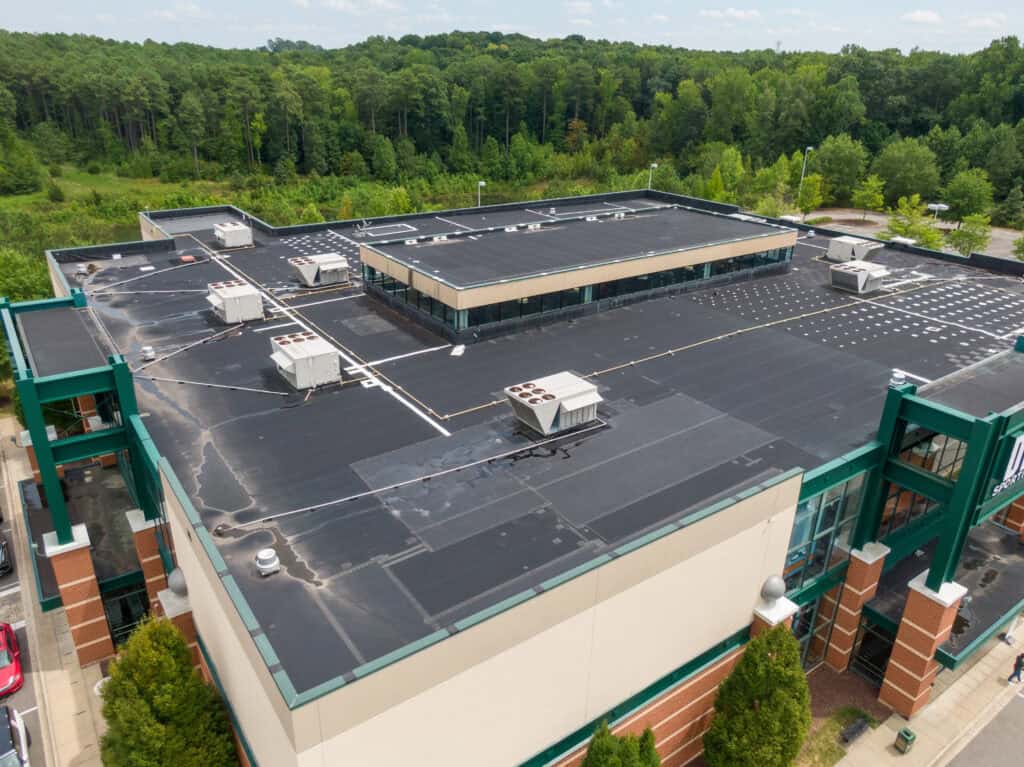
Enhance Roofing Durability and Sustainability in Denver, CO with Us
From TPO to EPDM and PVC, trust our expertise to enhance weatherproofing and durability, saving you from costly replacements and maximizing environmental sustainability.
Low slope roofing is often the workhorse of commercial properties. It may look simple from the ground, but on the roof, every detail matters: penetrations, drains, seams, flashing transitions, parapet walls, rooftop equipment, and traffic patterns. A strong low slope roofing system is designed to handle those details without sacrificing performance. That is where experienced planning and quality materials make the difference.
Our team works with property owners and managers across Denver, CO to improve roof systems with practical, cost effective recommendations. In many cases, that means extending service life through targeted repair and restoration rather than jumping straight to replacement. In others, it means selecting new low slope roofing systems that support thermal insulation, fire resistance, and future upgrades such as solar panels. The goal is always the same: protect the building, reduce avoidable costs, and deliver long term performance.
PVC
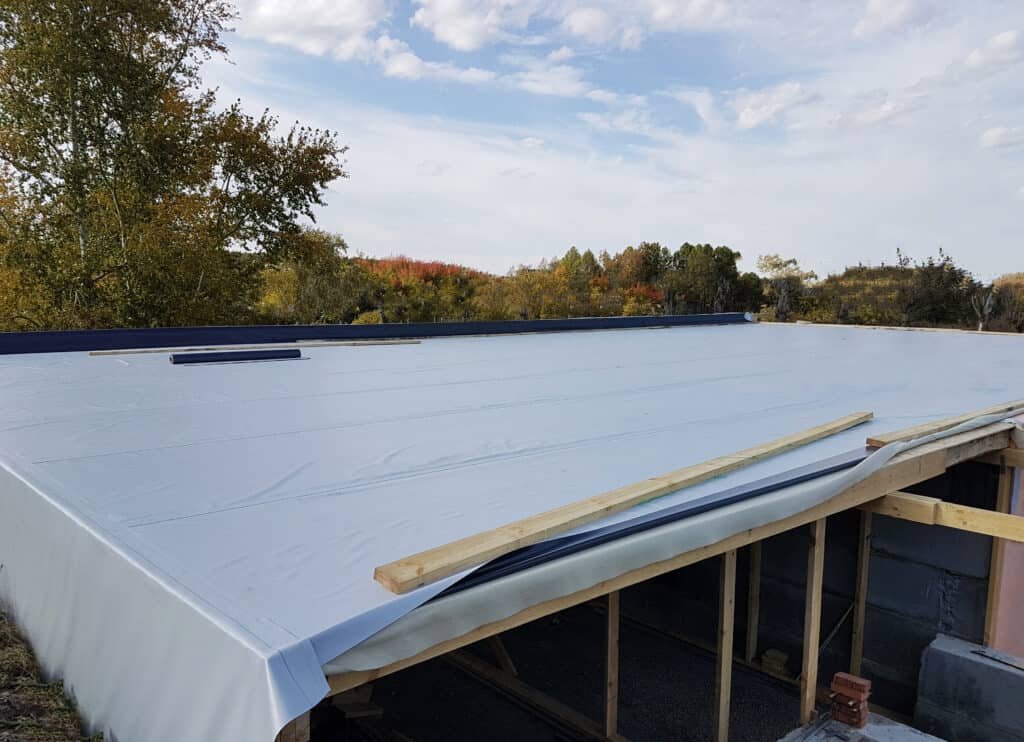
Experience excellence in PVC roofing installation with DCPS. Our skilled team of roofing professionals is equipped with the expertise and precision required to install PVC roofing systems to perfection. PVC roofs are renowned for their exceptional durability, flexibility, and resistance to environmental factors, making them a superior choice for both commercial and multifamily properties.
PVC, or polyvinyl chloride, is another high-performing single ply option within today’s low slope roofing market. Like TPO, pvc systems use heat welded seams that create strong, watertight connections. PVC is often selected for buildings that need enhanced chemical resistance, grease resistance, or extra protection in demanding service environments. Restaurants, industrial facilities, and properties with rooftop equipment can all benefit from the strength and versatility of this material.
When properly installed, pvc roofing offers excellent weather resistance, reliable waterproofing, and strong resistance to uv rays. It is also well suited for roof areas with complex shapes, curbs, penetrations, and transitions where precision matters. For many owners evaluating low slope roofing options, PVC stands out as a premium membrane system that performs well under pressure while supporting easier maintenance over time.
Coatings
Elevate the longevity and performance of your commercial roof with a commercial roof coating. Even if your roof shows no visible damage, prolonged exposure to the elements can compromise its integrity over time. Our roof coatings serve as a proactive solution, extending the life of your roof by providing essential protection against wear and tear. Without proper coatings, your roof is susceptible to deterioration, which can ultimately impact your building's efficiency. With our tailored approach, we repair, patch, and apply a specialized formula to cater to your roof's unique needs, ensuring optimal weatherproofing and durability. Each coating adds an extra layer of defense, maintaining elasticity and waterproofing properties to withstand harsh weather conditions effectively.
Coatings can be one of the most practical low slope roofing options when the existing roof is still structurally sound but beginning to show age. Rather than removing the entire roof system, a coating can restore performance, improve reflectivity, and add extra protection where the top layer has weathered. This approach is often attractive for owners seeking a cost effective way to improve the roof without the disruption of a full tear-off.
Not every roof is a candidate, which is why inspection matters. Before recommending coatings, we assess moisture intrusion, seam conditions, flashing details, substrate compatibility, drainage patterns, and prior repair history. The right coating system can help preserve quality materials already in place, but only when the underlying roof systems are suitable for restoration and prepared correctly.
Low Slope Roofing Systems We Help Evaluate
Every property has different demands, which is why there is no one-size-fits-all answer in low slope roofing. We help clients compare low slope roofing systems based on budget, traffic, exposure, drainage, and performance goals.
Common low slope roofing options include:
- TPO roof systems for energy-conscious properties seeking reflective single-ply performance and heat-welded seams.
- EPDM membranes for dependable flexibility, especially on large roof areas where movement and temperature swings are a concern.
- PVC membrane systems for projects requiring strong chemical resistance, cleanability, and durable waterproofing.
- Modified bitumen roofing for owners who want reinforced asphalt-based protection with multiple layers and dependable puncture resistance.
- Fluid-applied membranes for restoration projects where a seamless coating solution can extend service life on compatible substrates.
The best results come from matching the material to the building, not forcing the building to fit the material. That is why our recommendations are grounded in careful consideration of the roof’s current condition, the building’s use, and the owner’s long-term priorities.
Modified Bitumen Roofing
Modified bitumen roofing remains a proven choice among low slope roofing systems, especially when owners want a reinforced asphalt solution with dependable durability. Modified bitumen is engineered for low slope applications and can be installed using several methods, including torch applied, cold process, and self-adhered systems depending on the project requirements and building code considerations.
A modified bitumen roofing assembly typically includes multiple layers that work together to create a durable, weather-resistant surface. Those layers can provide extra protection against foot traffic, punctures, and exposure to the elements. Because modified bitumen roofing uses asphalt-based materials, it is often selected for projects where redundancy and toughness matter. For some commercial buildings, modified bitumen offers a familiar, field-tested balance of performance and repairability.
Fluid Applied
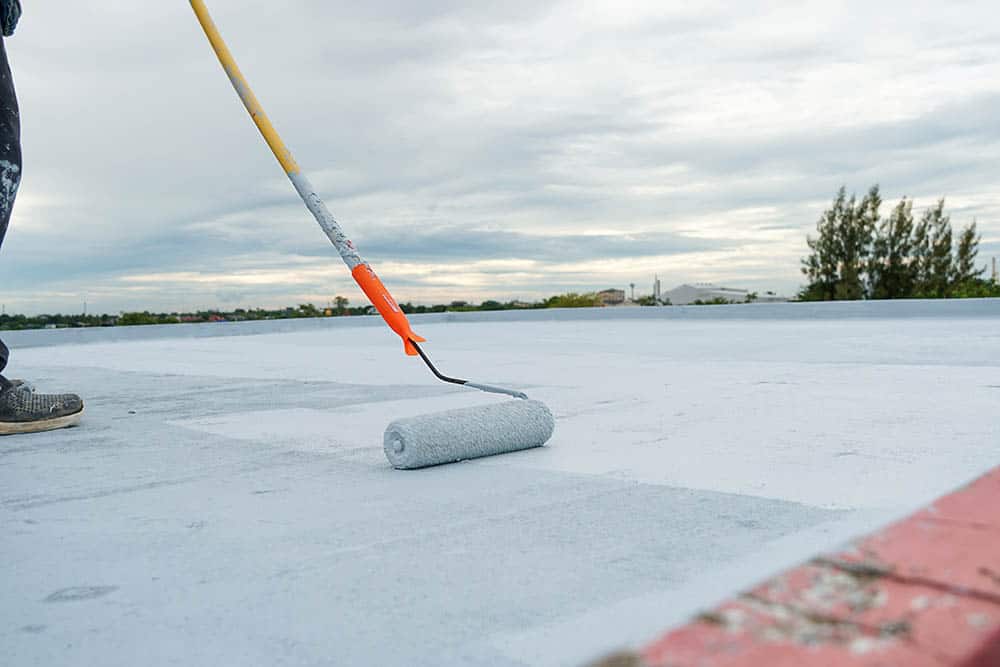
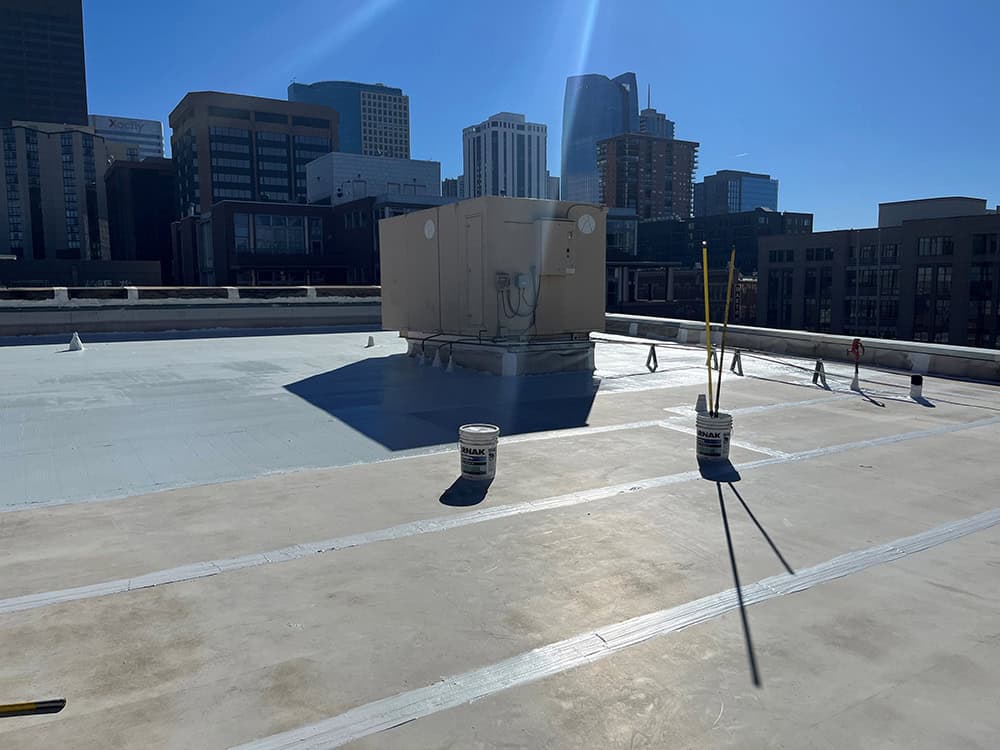
Discover the transformative power of fluid-applied roof coatings. These coatings are versatile making them suitable for a wide range of roofing applications. Designed to be applied to a variety of roofing substrates, including metal, asphalt, concrete, and single-ply membranes, these coatings create a seamless membrane that effectively prevents water infiltration and leaks. Engineered with reflective pigments or additives, they not only reduce the roof surface temperature by reflecting sunlight but also provide crucial UV protection for your roofing materials.
Roof replacements can be costly, fluid-applied coatings is a cost-effective solution that can extend the life of your existing roof by several years. Also, not only are they environmentally friendly with low-VOC formulations, but they also contribute to reducing landfill waste by coating roofs instead of replacing them.
Fluid applied membranes are especially useful on low slope roofing where seams, penetrations, and irregular transitions create leak risk. Because they conform to the surface they are applied over, they can be an effective option for roof areas with complex shapes that would otherwise require more extensive detailing. Think of them like a custom-fit rain jacket for the roof: they move across the contours, seal vulnerable areas, and create a continuous protective layer where water likes to test every weak point.
That said, successful installation depends on prep work. We inspect, clean, repair, reinforce, and detail the roof before coating begins. This fairly simple concept is what determines whether a fluid-applied system performs as intended or falls short. When applied over a compatible substrate and maintained correctly, fluid applied membranes can support optimal performance, improve weather resistance, and extend the service life of existing low slope systems.
Low Slope Roofing Installation and Repair
Installation quality has a direct impact on how any low slope roofing system performs. Even the best roofing materials can underdeliver if seams are weak, flashing is rushed, insulation is uneven, or drainage is overlooked. Our installation process is built around precision, substrate preparation, and matching the right system to the property’s needs.
We also provide repair services for low slope roofing when leaks, punctures, membrane shrinkage, flashing failures, or water pooling begin to affect performance. In many cases, timely repair can prevent larger structural issues and preserve the value of the existing roof systems. Whether the issue involves a single layer membrane, modified bitumen, or metal roofs tied into low slope sections, our team approaches each repair with the goal of restoring watertight performance and extending roof life.
What to Consider When Choosing Low Slope Roofing Options
Choosing between low slope roofing options is not just about comparing materials on paper. It is about understanding how the building is used every day. A multifamily property with frequent rooftop access has different needs than a distribution center, and a retail center with visible tenant disruption concerns may prioritize a different installation schedule than a back-of-house industrial site.
When evaluating low slope roofing systems, we look at:
- Building use and occupancy
- Existing roof condition and roof deck integrity
- Drainage performance and areas of standing water
- Insulation needs and thermal insulation goals
- Exposure to UV radiation, wind, and foot traffic
- Budget, square-foot cost expectations, and life expectancy
- Whether restoration, repair, or replacement is the most cost-effective path
- Compatibility with rooftop equipment, metal roofs, or future solar panels
These factors guide material selection and help determine the ideal system for long-term value. The right answer is rarely the loudest trend in the market. It is the system that fits the building, the budget, and the performance expectations.
Maintenance for Long-Term Performance
Proper maintenance is one of the most overlooked parts of low slope roofing. Unlike steep slope roofs, where issues are sometimes easier to spot from the ground, low slope roofing problems can develop quietly around drains, seams, flashings, and penetrations. A small split or clogged drain may not look urgent at first, but over time it can lead to water pooling, insulation damage, and interior leaks.
Routine maintenance helps protect your investment and preserve optimal performance. Periodic inspections, seam checks, debris removal, drainage review, and targeted repairs can extend the service life of low slope roofing systems significantly. Whether your property has single ply membranes, modified bitumen, or fluid applied membranes, maintenance is what helps durable materials keep doing their job year after year.
Get in touch with us
Whether you are planning a new installation, comparing low slope roofing options, or trying to determine if repair or restoration is the right move, DCPS is here to help. We work with commercial buildings, multifamily communities, and industrial facilities to build roofing solutions that perform in the real world, not just on a spec sheet.
If your roof is aging, leaking, or simply due for a professional assessment, reach out to our team. We can evaluate your current roof systems, explain the best-fit materials, and help you move forward with confidence.