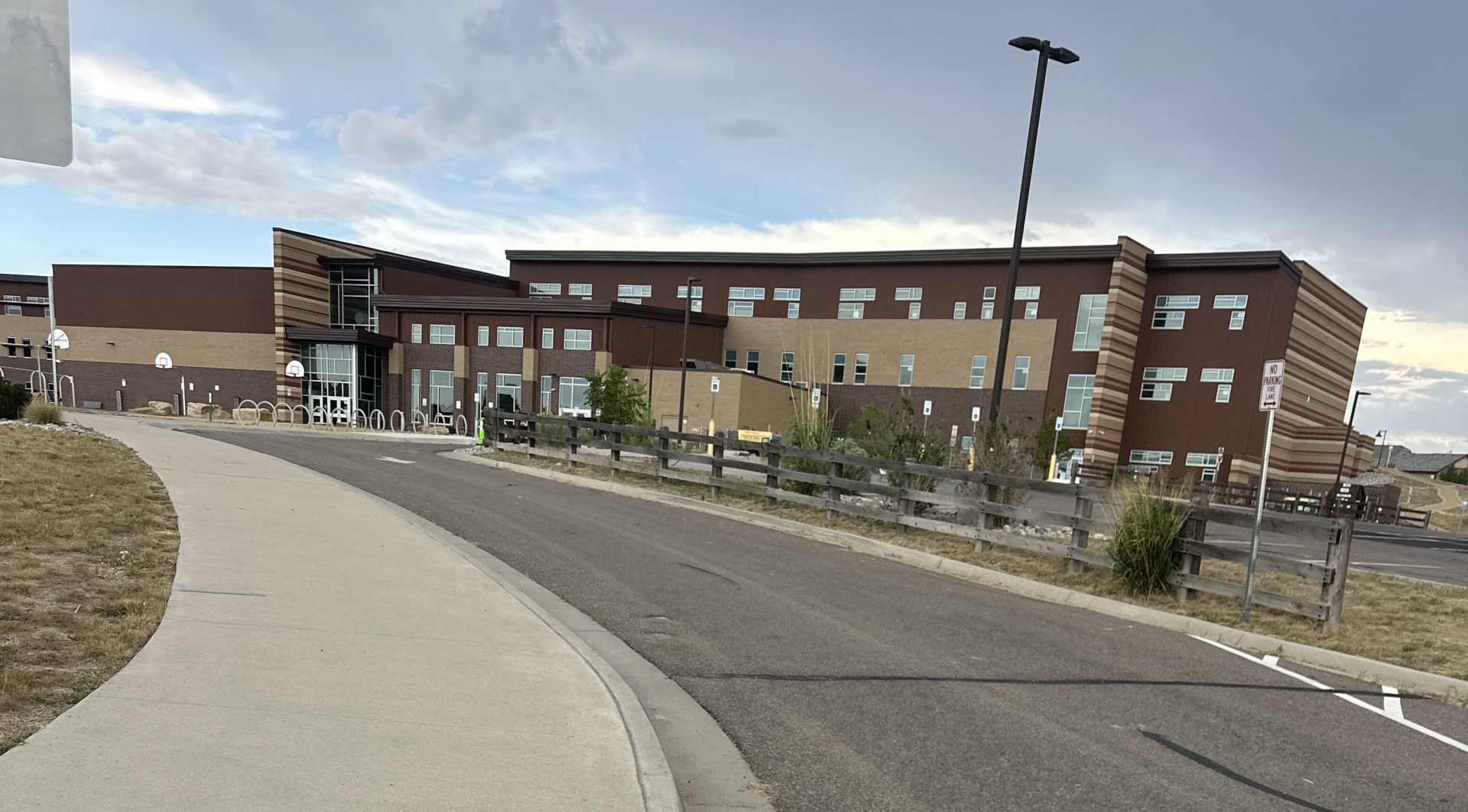
Multi-location medical campus across the Denver metro area.
Location
Englewood, CO
Summary
A comprehensive landscape and drainage compliance project ensuring full alignment with Arapahoe County and SEMSWA stormwater standards including revitalizing the property’s landscape with drought-tolerant plantings, upgrading irrigation systems, and reconstructing underdrain systems and concrete inlets to restore proper water flow.
Challenge
During the county’s review of plans for a new MRI installation, the medical campus collaborated with DCPS to address a compliance detail and ensure all requirements were met. Arapahoe County requested that the property’s landscaping be updated to align with current development plan standards. Simultaneously, South East Metro Storm Water Association (SEMSWA) notified the facility that its drainage systems were not functioning properly. Recognizing the importance of maintaining a welcoming and sustainable environment, the client sought to refresh areas of the landscape where aging plant material and outdated selections no longer reflected the property’s high standards of care and water was pooling and failing to drain properly. DCPS needed to deliver an updated, code-compliant, and aesthetically pleasing solution on a very short timeline so the MRI installation could move forward, and drainage issues were resolved.
Solution
DCPS partnered with the healthcare client to review the property and identify opportunities for landscape enhancement. During the site walk, our team identified missing and failing plant material and recommended a revised design that introduced hardy xeric plant species better suited to the site’s growing conditions. These drought-tolerant species were chosen to reduce long-term irrigation demand while still delivering a vibrant, colorful landscape across multiple seasons.
For the drainage systems, DCPS excavated and replaced the underdrain systems using approved materials per construction design—including pipe, drainage media, filter media, and growing media—to ensure long-term functionality. Additionally, new concrete inlets were installed at each drainage facility, incorporating slotted curb features to slow water flow and reduce sediment buildup. DCPS coordinated its Landscape, Concrete, and Sweeping divisions to complete the work efficiently and minimize disruption to the active medical campus.
The DCPS team finalized and completed the landscape enhancements in just eight days, followed by an eleven-day drainage system rehabilitation. Together, these improvements brought the property into full compliance with county and stormwater requirements. The installation featured new trees, shrubs, and flowering perennials that matched the original development plan while introducing sustainable, low-maintenance plant species for long-term performance. By completing the project in under three weeks, DCPS ensured timely approval for the facility’s new MRI installation and restored effective, code-compliant drainage across the campus.
The DCPS team followed a streamlined process to support the medical facility’s accelerated project timeline.
First, our team carefully reviewed the landscape plans and drainage conditions and provided an estimate. Crews then removed all declining plant material and prepared planting areas to accept new material. Next, we installed the new plantings with a 50/50 soil amendment and native soil backfill, ensuring healthy establishment. An irrigation system was extended to each new plant, and the irrigation controller was programmed to deliver tailored watering cycles for establishment. Mulch and rock were added to retain moisture, reduce weed growth, and create a polished look. DCPS excavated the underdrain systems, replacing them with new, approved pipe and media layers per engineering specifications. Concrete inlets were rebuilt with slotted curb features to slow and filter stormwater before entry, helping reduce sediment and improve water quality.
Finally, the DCPS crew cleaned all borders, work areas and parking lot, leaving the site visually refreshed and fully compliant.