
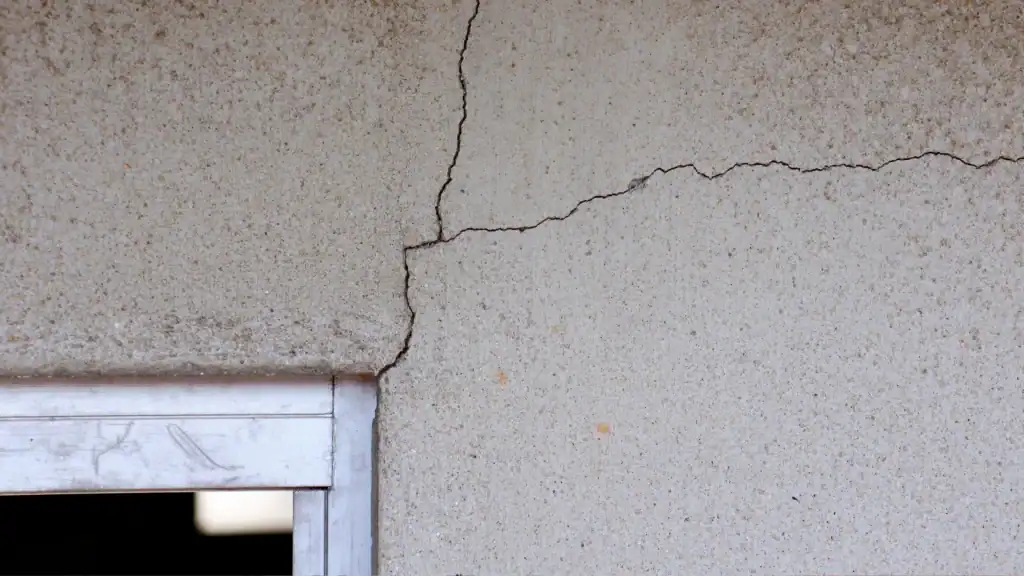
Commercial buildings are built to withstand years of use, changing weather conditions, and daily operational demands. Even the strongest structures can develop issues over time. Water intrusion, concrete deterioration, corrosion, and shifting building materials can all contribute to commercial structural damage. When left unaddressed, small issues often grow into major repairs that impact safety, operations, and property value.
Understanding the causes of structural deterioration and taking a proactive approach to maintenance can help property owners extend the life of their buildings and avoid costly restoration projects.
Common Causes of Commercial Structural Damage
Many structural problems begin gradually and worsen over time. One of the most common causes is water intrusion. Moisture can penetrate concrete, masonry, and elevated decks through cracks, failed waterproofing systems, or deteriorated sealants. As water reaches reinforcing steel, corrosion can occur, causing the concrete to crack and spall.
Commercial properties are also exposed to continuous stress from vehicle traffic, equipment loads, temperature fluctuations, and environmental conditions. Parking garages, balconies, breezeways, podium decks, and elevated walkways are especially vulnerable because they experience both structural loads and direct exposure to the elements.
Other contributing factors include:
- Freeze-thaw cycles
- Expansion and contraction from temperature changes
- Aging construction materials
- Poor drainage systems
- Deferred maintenance
- Chemical exposure and de-icing salts
Without regular inspections, these issues can remain hidden until visible signs of damage appear.
Signs Your Building May Have Structural Issues
Early detection is one of the most effective forms of structural damage prevention. Property managers and building owners should watch for warning signs that indicate underlying structural concerns.
Common indicators include:
- Cracked concrete surfaces
- Water leaks or stains
- Rust staining on concrete or masonry
- Spalling or flaking concrete
- Deteriorating expansion joints
- Uneven surfaces or settlement
- Exposed reinforcing steel
- Cracking around columns and beams
These signs often indicate that moisture has penetrated the structure or that structural components are beginning to weaken. A professional assessment can help determine the severity of the damage and identify the most appropriate repair solution.
Effective Structural Damage Prevention Strategies
The best way to minimize commercial structural damage is through a comprehensive maintenance and inspection program. Regular evaluations allow property owners to identify minor issues before they become major structural concerns.
Key structural damage prevention measures include:
Routine Inspections
Scheduled inspections help identify cracks, water intrusion points, deteriorating coatings, and other signs of wear before they affect structural integrity.
Waterproofing Systems
Waterproof coatings and membrane systems create a protective barrier that prevents moisture from entering concrete and structural assemblies. Waterproofing is especially important for parking structures, balconies, podium decks, and elevated walkways.
Expansion Joint Maintenance
Expansion joints accommodate building movement caused by temperature changes. Damaged or failing joints can allow water to enter the structure and accelerate deterioration.
Concrete Repairs
Addressing cracks, spalls, and other concrete defects early helps prevent further damage and reduces long-term repair costs.
Drainage Improvements
Proper drainage prevents standing water and reduces the risk of moisture-related deterioration.
Repairing Commercial Structural Damage
When structural damage has already occurred, prompt repairs are critical. Delaying restoration can allow deterioration to spread and increase project costs.
Depending on the condition of the structure, repairs may include partial or full-depth concrete repairs, epoxy injections, structural strengthening, carbon fiber reinforcement, steel connection repairs, expansion joint replacement, and waterproofing restoration.
The repair process should begin with a thorough assessment to identify both visible and hidden damage. From there, restoration professionals can develop a plan that addresses the root cause of the problem while restoring structural performance and long-term durability.
Partner With DCPS for Structural Restoration Solutions
Protecting commercial buildings from structural deterioration requires experience, planning, and the right repair strategies. At DCPS, our team provides comprehensive restoration, strengthening, and waterproofing solutions for commercial properties. From parking garages and elevated decks to balconies and podium structures, we help property owners identify risks, prevent further deterioration, and restore structural integrity.
If you have concerns about commercial structural damage or want to improve your structural damage prevention program, contact DCPS today to schedule a professional evaluation.